A car’s paint not only enhances its look but also protects against rust, weather, and wear while preserving its value. Over time, accidents, sun, and debris can damage the paint, leading to the need for a repaint. So, what makes some paint jobs last while others fade or peel? This guide breaks down the key factors affecting paint quality and durability. From prep work to techniques, these tips will keep your car looking great for years.
The Foundation of a Good Car Paint Job: Surface Preparation
A flawless finish starts with proper surface preparation. No matter how skilled the painter or high-quality the paint, a poorly prepared surface leads to bubbling, uneven layers, and peeling. Skipping this step harms both durability and appearance.
Steps for Surface Preparation
- Cleaning and Sanding: Remove old paint, dirt, grease, and rust to create a smooth surface. Sanding removes imperfections and helps primer and paint adhere.
- Repairing Dents and Scratches: Dents and scratches will show through paint if not fixed. Fillers and sanding tools even out the surface.
- Masking Non-Paintable Areas: Mask windows, trim, and other areas to prevent splatters. Poor masking can ruin the final result.
Proper preparation takes time but ensures a durable, professional finish.
The Role of Primer
A primer bridges the bare car body and the topcoat of paint. Quality primers ensure proper paint adhesion, protect against rust, and create a smooth base for a flawless finish. Since the primer depends on the car body material—aluminum, steel, or composites—technicians carefully select the right product for each job.
Why Primer Quality Matters
High-quality primers bond well to the car’s surface and resist corrosion. Poor-quality or improperly applied primers can lead to peeling or flaking. Whether aiming for a matte or glossy finish, the primer is key to lasting results. A well-applied primer can make or break the entire car paint job.
Choosing the Right Automotive Paint
The type and quality of paint used significantly influence the final appearance and durability. Modern automotive paints are designed for resilience against fading, weathering, and minor abrasions, but not all paints are created equal.
Types of Automotive Paint
- Acrylic Enamel: Creates a hard, glossy finish but isn’t as durable as newer options.
- Acrylic Lacquer: Shiny but fades easily and needs frequent upkeep.
- Acrylic Urethane: Durable, glossy, and highly resistant to damage—great for modern cars.
- Water-Based Paint: Eco-friendly and meets environmental standards.
- Metallic and Pearlescent Paints: Add a luxurious shimmer, but are harder to apply and repair, increasing costs.
For a bold Pearl White paint job, high-quality water-based paint offers vibrant color with fewer chemicals. Premium paints deliver better looks and durability than cheaper options.
Mastering Application Techniques
Even the best-quality paint won’t compensate for poor application. An experienced painter employs advanced techniques and high-quality tools to achieve a smooth, professional finish.
Key Techniques
- Using Advanced Spray Equipment: Professionals use tools like High-Volume, Low-Pressure (HVLP) spray guns to ensure even coverage with minimal overspray.
- Layering Evenly: Thin, consistent layers are applied rather than one thick coat. This technique enhances durability and gives the paint a deep, polished appearance.
- Allowing Proper Drying Time: Rushing to apply additional layers can ruin the finish or produce paint that bubbles or cracks over time. Patience pays off with smooth, evenly cured results.
For example, amateur painters may attempt to save time with fewer paint layers or rushed drying times. Unfortunately, this often results in cracking clear coats and a rough texture.
The Importance of the Clear Coat
Often overlooked, the clear coat is essential for protecting your paintwork. This transparent layer shields against UV rays, road salt, debris, and minor scratches. It also enhances the depth and shine of the base paint, boosting your vehicle’s visual appeal.
Clear Coat Best Practices
A properly applied clear coat keeps your car looking polished for years. Poor application can cause issues like hazing or peeling. Skipping the clear coat is a common mistake in budget paint jobs that shortens paint lifespan. For example, parking in the sun daily without a clear coat leads to fading within months, while a good clear coat preserves vibrancy much longer.
The Role of Environment in Painting
Painting requires a controlled environment to achieve professional-grade results. Temperature changes, dust, and humidity can all wreak havoc on even the best-prepared surfaces.
Professional Painting Conditions
- Spray Booths: Ventilated booths keep the process free from dust and moisture.
- Temperature Regulation: Paint bonds best in controlled temperatures (60–75°F). Extreme heat or cold disrupts adhesion and drying.
- Humidity Control: High humidity can cause blistering, uneven drying, or paint failure.
Painting in an open garage might save money, but it exposes your work to dust, debris, and temperature changes that can ruin the finish.
Color Matching and Customization
Whether repairing damage or opting for a custom look, accurate color matching is essential for seamless results. Professional shops use sophisticated tools like computerized matching systems to replicate original or custom colors.
The Value of Customization
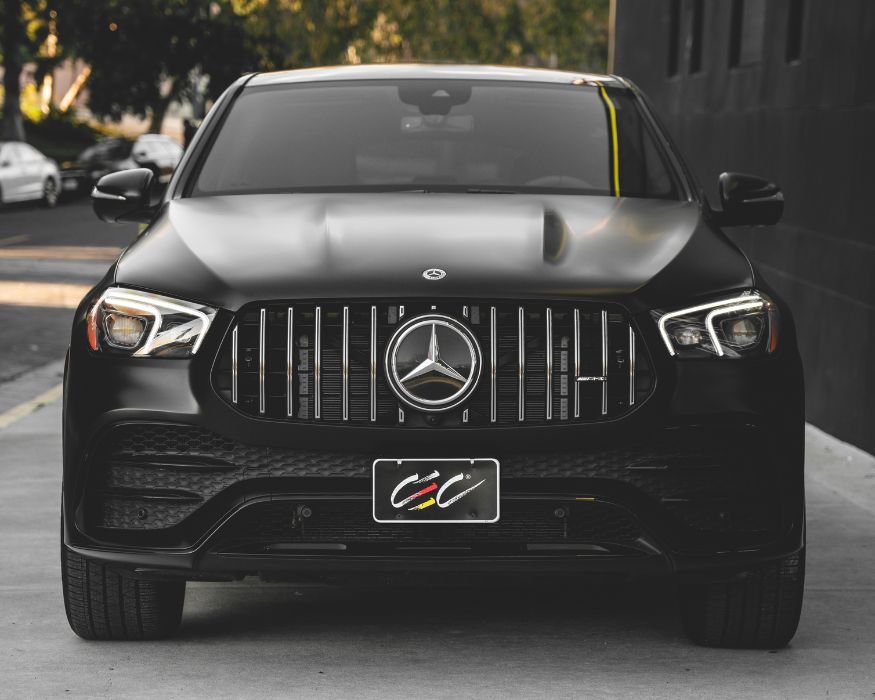
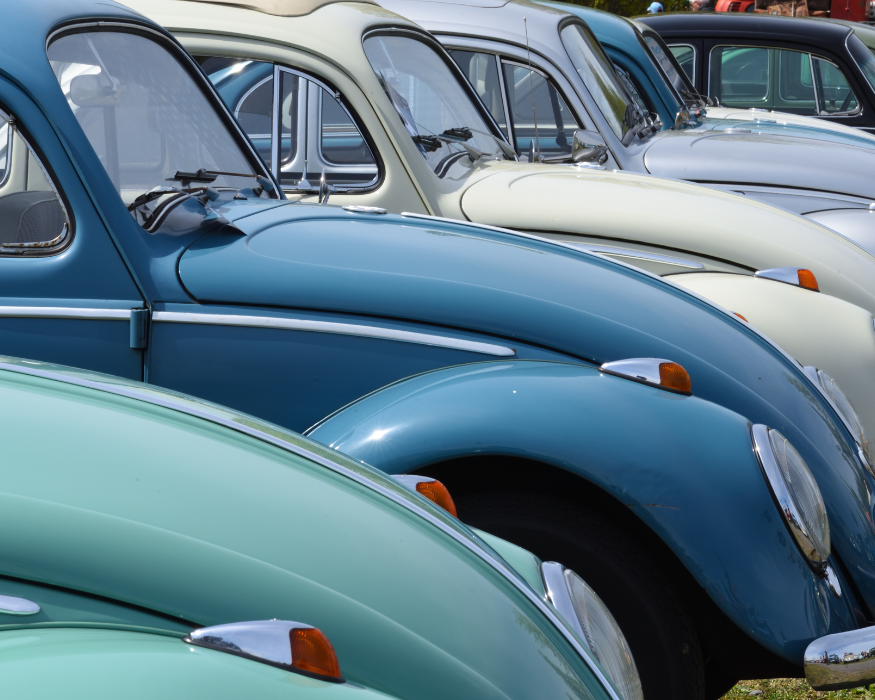
Unique finishes, like metallic or matte black, can make your car stand out but require greater precision and expertise. While these options increase costs, they enhance aesthetic value and individuality. For instance, choosing a deep metallic blue can reflect more light, shifting its look between dawn, noon, and dusk. Such customizations turn heads and often increase resale value.
Preserving Your Paint Job
A quality paint job should not only look good today but also for years to come. Proper maintenance is key to maximizing its lifespan.
Maintenance Tips
- Regular Cleaning: Wash at least once a month to remove dirt, salt, and other contaminants.
- Waxing: Waxing every 6–8 weeks provides an additional protective barrier against environmental damage.
- Choose the Right Cleaners: Harsh chemicals or abrasive tools during washing can erode the clear coat.
Without these steps, even the most professional paint job may lose its luster prematurely, leading to avoidable touch-ups.
Making the Right Investment in Your Paint Job
The difference between a budget and a premium paint job comes down to quality and durability. Budget jobs use cheaper materials, skip prep, or cut corners like skipping clear coats. While cheaper upfront, they don’t last. Investing in quality materials and expert application pays off, especially if you plan to sell your car, as buyers prefer flawless finishes.
A great paint job requires expertise, quality materials, and proper prep. Techniques like priming ensure a lasting finish. Whether it’s a repair, refresh, or customization, quality work protects your car’s value and keeps it looking great. For Southern California drivers, the right car paint service means lasting value and excellent results.
Whether you’re aiming for show-quality finishes or authentic factory-grade restoration, choosing Custom Car Painting Los Angeles professionals ensures your vehicle stands out with unmatched craftsmanship. And if precision and durability are your priorities, Auto Paint Repair Los Angeles services deliver guaranteed, manufacturer-approved results, backed by expert techniques and warranties—reinforcing that smart choices today preserve your ride’s beauty and worth tomorrow.